The Tanzania Mining sector has large amounts of gold, tanzanite, and industrial minerals. It also has new and important minerals like graphite and nickel. These resources are important for moving the world to new energy sources.
This article will give potential investors a comprehensive overview of the opportunities available and the challenges they may encounter. It will also explore how to enter the market successfully.

Abundant Opportunities
Investing in Tanzania‘s mining sector presents a unique chance to capitalise on Africa’s economic transformation. The government’s strategic reforms and abundant natural resources are creating a fertile ground for growth. Below are five mining opportunities.
Economic Contribution
Tanzania’s mining industry is a cornerstone of the nation’s economy, significantly bolstering its GDP and foreign exchange reserves. According to African Mining, the mining sector contributed 10% to the national GDP in 2023. This growth not only boosted employment but also increased the nation’s foreign exchange reserves.
This positive trend is in line with the government’s goal for the mining sector to make up 10% of the GDP by 2025. Tanzania has more than just gold and diamonds. It has many different kinds of minerals that the world is starting to notice.
Mineral Wealth
Beyond gold and diamonds, Tanzania hosts globally significant deposits of nickel, uranium, and graphite – all critical for renewable energy and advanced technologies. The country is also the world’s sole source of tanzanite.
Employment and Local Content
The mining sector is a major job creator for Tanzanians, employing thousands of people, and local content laws encourage partnerships with domestic companies. Regulations require mining companies to give preference to goods, services, and local companies. This policy ensures that economic gains are shared and creates entry points for collaboration.
Value Addition
Government strategy is shifting away from raw ore exports toward local processing and refining. This opens opportunities for investment in smelters, refineries, and value-added industries.
Infrastructure and Investment
Mining projects often lead to new roads, ports, and power solutions in remote regions. This better connectivity helps mining operations. It also makes trade and business easier across the country.
The government is working hard to attract foreign investment (FDI). This supports large projects and helps the country use its mineral wealth. In fact, Australian gold producer Perseus Mining announced a final investment decision of $523 million to develop the Nyanzaga Gold Project, marking the country’s most significant gold mine development in over a decade.
Main Challenges
Regulatory Uncertainty
One of the biggest mining challenges is the potential for regulatory changes. Tanzania’s government has, in the past, demonstrated a willingness to amend mining laws. This can affect the terms of existing agreements.
For example, the government now requires at least a 16% share in mining operations. This is a non-dilutable free-carried interest share. This percentage can change based on the type of minerals and the size of the investment.
Furthermore, new rules for special mining licences now require that 30% of a company’s shares be held by locals. Investors need to be agile and stay informed to manage these risks.
Infrastructure Gaps
Despite ongoing developments, significant infrastructure gaps remain a key challenge for mining operations. Poor road networks and inconsistent energy supply in remote areas can increase operational costs and reduce efficiency.
The government has constructed a natural gas pipeline from Mtwara to Dar es Salaam, which is intended to increase access to natural gas for industries and homes. However, for many projects, especially in remote regions, self-sufficient power and robust transportation logistics are often necessary. This requires additional capital investment, but it can be an advantage for well-prepared investors.
Local Content Gaps
The push for local content is a clear opportunity, but it comes with its own set of challenges. While a strong policy framework exists, a lack of skilled workers and local business capacity can make it difficult to follow the rules. Regulations require foreign companies to partner with local businesses. The local partner must hold at least a 25% share to provide services to the oil industry.
This can be a challenge if suitable and capable partners are not available. This shows that foreign investors need to start their own training programmes. This will help build local skills and create a stable supply chain.
Environmental Concerns
Mining inevitably has an environmental impact, including deforestation and water pollution. Investors must use sustainable and eco-friendly methods. This is needed to meet government rules and social expectations. Tanzania has a comprehensive framework in place to govern this.
Recent regulations also require mineral right holders to prepare an annual corporate social responsibility plan in collaboration with local government authorities. Failure to adhere to these standards can lead to legal penalties and reputational damage.
Artisanal and Small-Scale Mining (ASM)
ASM can cause conflicts with larger mines over land use and natural resources in Tanzania. There are also concerns related to safety and environmental impact in these informal operations.
These complex issues can risk a company’s social licence. They may need strong community outreach to avoid conflicts. A social licence to operate is an informal acceptance of a company’s activities by the local community and other stakeholders.
Skills and Labour
Attracting and retaining long-term employees, particularly in remote locations, is a significant hurdle. The government guarantees foreign investors a minimum quota of expatriate employees, but this can still be difficult.
To overcome this, companies must invest in strong training and hiring programmes.
Transparency and Governance
Issues related to revenue management and licensing processes can make things uncertain for investors. It is very important to get legal and business advice from a trusted firm.
Working with local experts helps with these complex issues. This ensures that all operations are transparent and compliant with evolving regulations. This is crucial for building trust and maintaining a stable operating environment over the long term.
Entering Tanzania’s Mining Market
To succeed, investors should take a proactive, well-informed approach:
- Conduct Thorough Due Diligence: Assess legal, environmental, and operational risks upfront. This ensures you have a clear understanding of all potential risks and obligations.
- Forge Local Partnerships: It’s essential to build strong relationships with local partners and communities. This is vital for navigating local content requirements and obtaining a social licence to operate.
- Engage with Authorities: Proactive and continuous engagement with the Mining Commission and other government bodies is vital. It allows you to stay informed about policy changes and helps build a foundation of trust.
- Adopt Best Practices: Adopt global best practices for safety, sustainability, and CSR projects/ initiatives. This mitigates risks and helps to build a positive and lasting reputation.
Capitalising on Tanzania’s Mining Sector
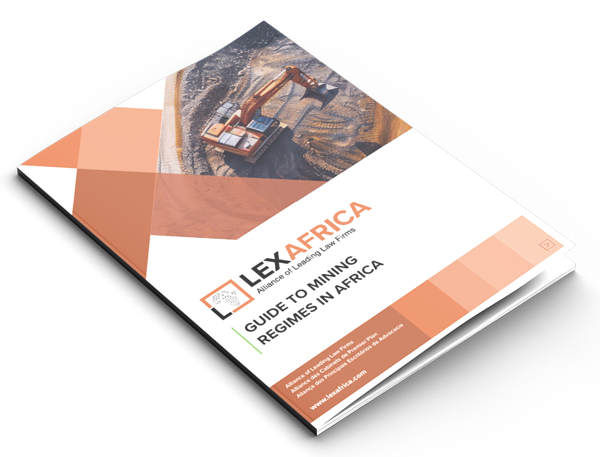
Tanzania’s mining sector offers substantial rewards, but it needs a strategic and well-informed approach. You must understand both the opportunities and the challenges. For expert legal guidance and business advice on Tanzania’s mining sector, contact LEX Africa or download the Tanzania Mining Guide.